

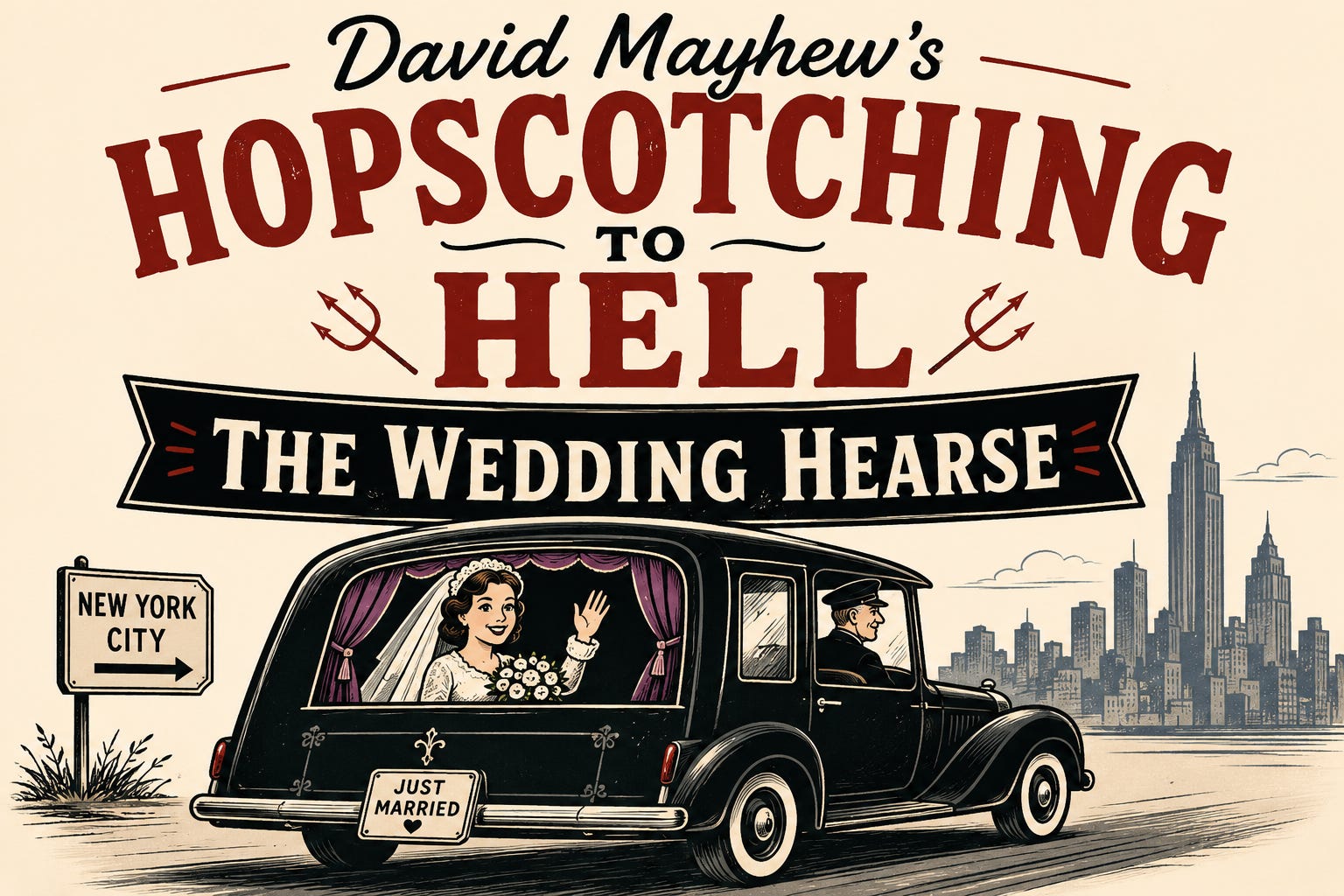
Every family has a few stories that improve with age.
This is not one of them.
This story was already perfect.
During World War I, the young man who would become my grandfather, Percy, was serving overseas with the U.S. military. Before leaving for war, he had become engaged to a young woman named Carolyn. At some point during the conflict he received orders that he was being sent back to the United States through New York City and then onward to duty at the Mexican border.
The details are lost to time, but one thing was clear: he would have exactly one day in New York.
Percy got word to Carolyn that he wanted to marry her during that brief stopover.
He never said it directly, but the reason was obvious. If something happened to him, he wanted his fiancée to become his widow. It was a practical act of love, the sort of thing people did when the future felt uncertain.
Carolyn agreed.
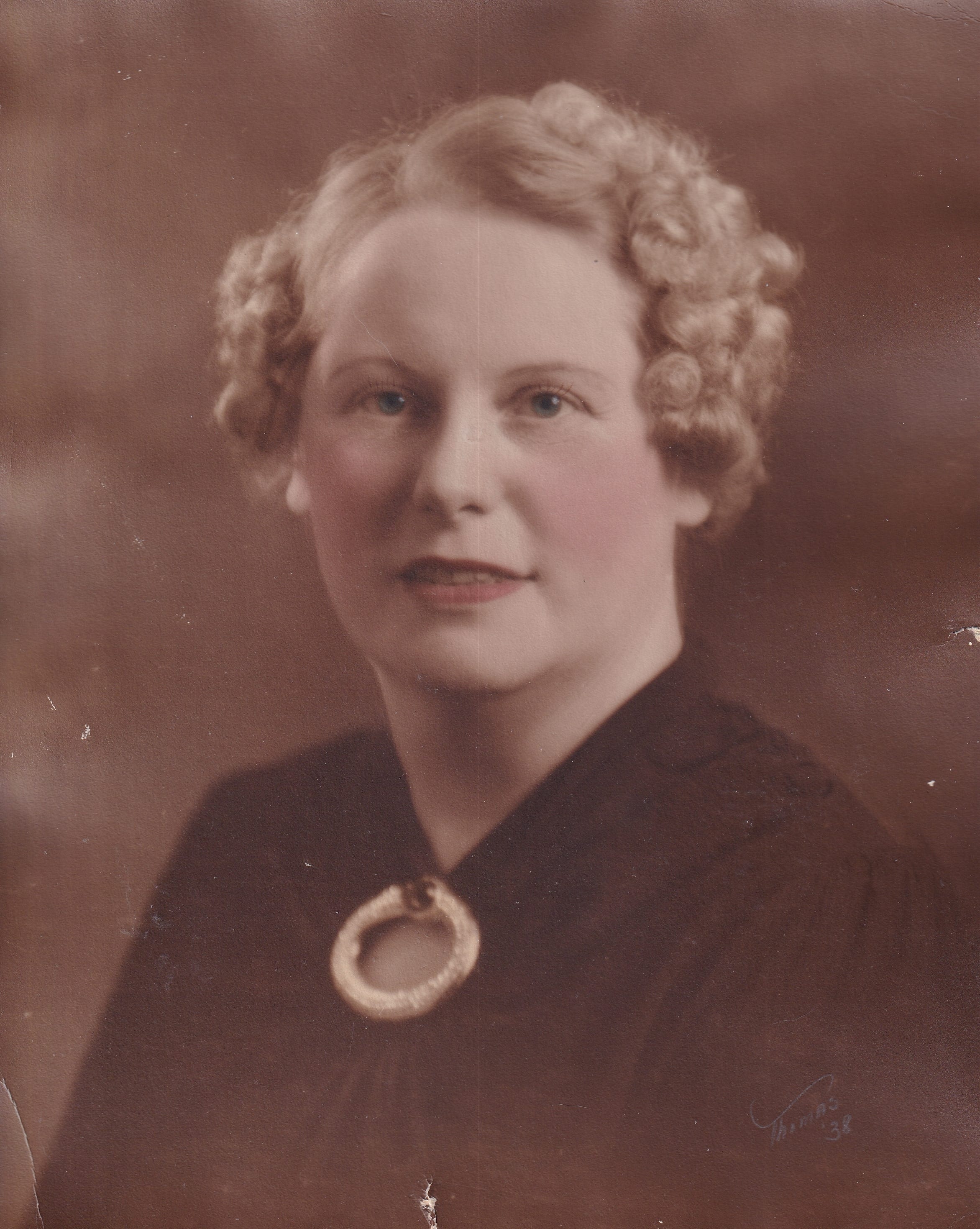
There was only one problem.
She lived in Millville, New Jersey.
Today that doesn’t sound particularly daunting. You get in a car, grumble about traffic, and eventually arrive in Manhattan.
In 1918, it was a different matter.
Public transportation between Millville and New York was limited. The country was at war. Gasoline was rationed. Travel wasn’t simple.
Unless, that is, your vehicle happened to be considered essential to the war effort.
One category of vehicle received special treatment.
Hearses.
The local funeral director happened to be a family friend. Upon hearing the situation, he agreed to drive Carolyn to New York City.
And so my grandmother traveled to her wedding in a hearse.
Not a limousine.
Not a carriage.
Not a borrowed automobile decorated with ribbons.
A hearse.
I like to imagine the conversations along the way.
“Are you nervous about getting married?”
“A little.”
“Anything else?”
“Well, I am currently sitting where a casket usually goes.”
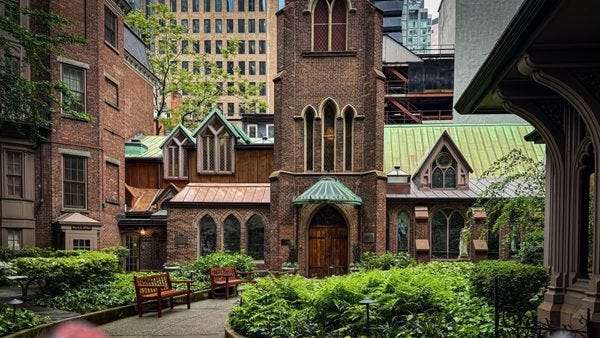
The funeral director’s wife came along as well. Upon arrival in Manhattan, the quartet made their way to the Little Church Around the Corner. There, Percy and Carolyn were married in a quick ceremony.
The funeral director served as best man.
His wife served as matron of honor.
The newlyweds were grateful beyond words.
The funeral director and his wife were equally determined that the occasion should feel special. As a wedding gift, they paid for a hotel room where Percy and Carolyn could spend their first and only night together before he departed for military duty.
A sweet gesture.
Unfortunately, this is where the story takes a sharp turn toward farce.
Before dawn, Percy quietly left the hotel to rejoin his regiment.
Someone saw him.
A young soldier slipping out of a woman’s room in the early morning hours.
Questions were asked.
Conclusions were reached.
None of them flattering.
Before long, hotel staff appeared and confronted Carolyn, who had gone from newlywed bride to suspected prostitute in the span of a few hours.
Imagine trying to explain this.
“No, really. We were married yesterday.”
“Of course you were.”
“We came here in a hearse.”
At that point, I suspect her credibility actually decreased.
Fortunately, help was close at hand.
The funeral director and his wife vouched for her. More importantly, they possessed something difficult to argue with: a freshly signed and dated marriage certificate.
The charges, so to speak, were dropped.
My grandmother’s reputation was restored.
And then, accompanied by the same funeral director and his wife, she climbed back into the hearse and returned home to Millville.
The marriage endured for decades.
Percy survived the war.
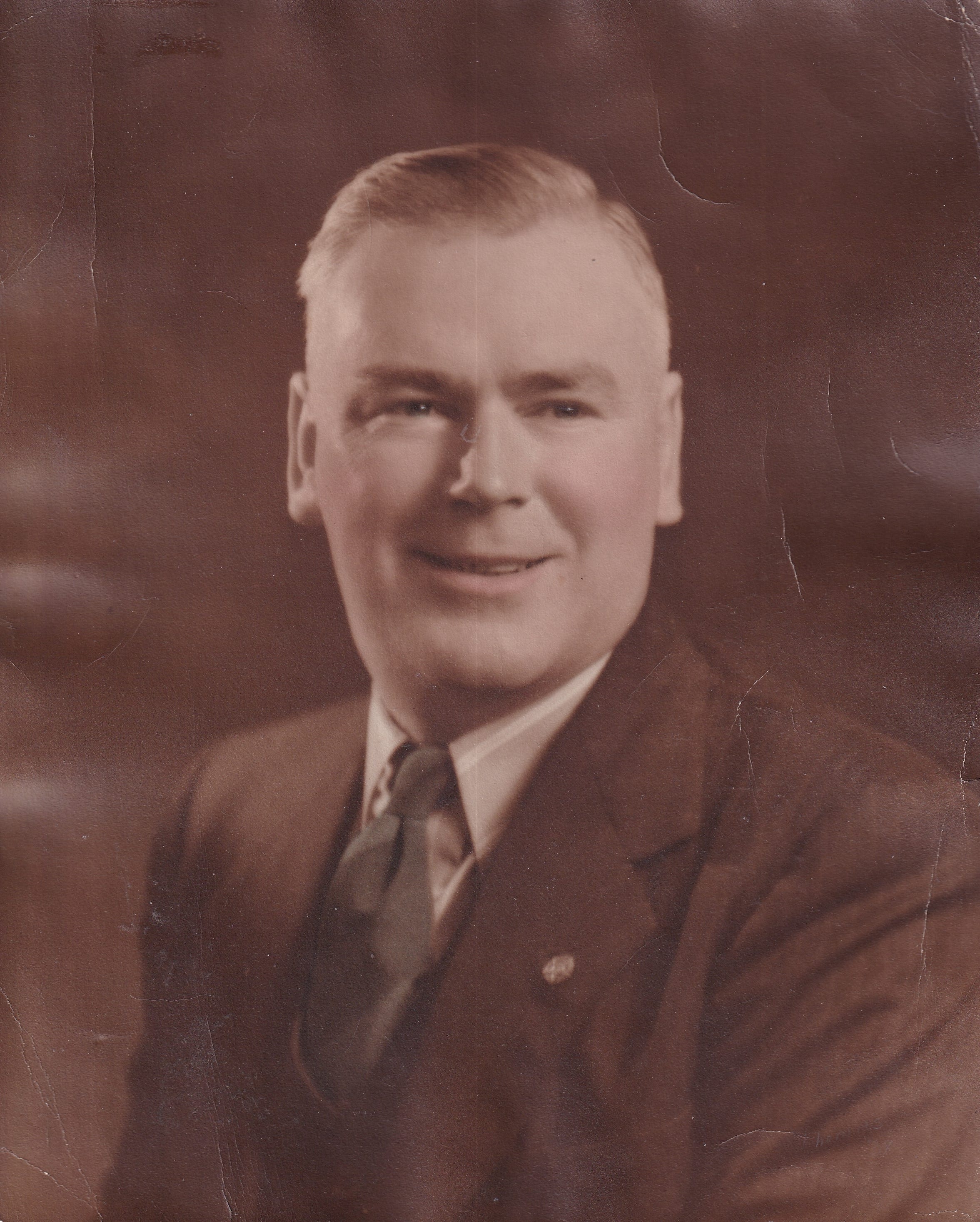
The hearse returned to its normal duties.
And somewhere in family history sits a wedding story that begins with patriotism, detours through a funeral coach, pauses for an accusation of prostitution, and somehow still ends happily ever after.
Which is why I have long suspected that real life is a far more imaginative storyteller than any novelist.
No novelist would dare write a scene like this.
An editor would reject it as unrealistic.
David Mayhew
Elsewhere in the Mayhewverse…
Contrary to rumor, I don’t actually spend every day chasing forgotten stories and eccentric characters. Occasionally I put on respectable shoes and help people buy and sell homes. If you’re curious about Connecticut, weekend homes, or the strange intersection where real estate meets common sense, here are a few more rabbit holes:
• ConnecticutWeekendHomes.com
• ConnecticutBaedeker.com
• BuyYourSecondHomeFirst.net
• The Further Adventures of David Mayhew
Whether you’re looking for forgotten history or your next front porch, I’m glad you stopped by.